Add Row
Add Element
cropper
update
AristaValor
update
Add Element
  • Home
  • Categories
    • Valor in Action
    • Family
    • Battle-Tested Leadership
    • Hiring & Skill Development
    • Entrepreneurship & Innovation
    • Mission-Critical News
    • Strength in Community
    • Corporate Allies
    • Freestyle
    • Featured
August 01.2025
3 Minutes Read

Why the Marine Corps Uses Six Body Bearers for Funerals: A Tribute to Valor

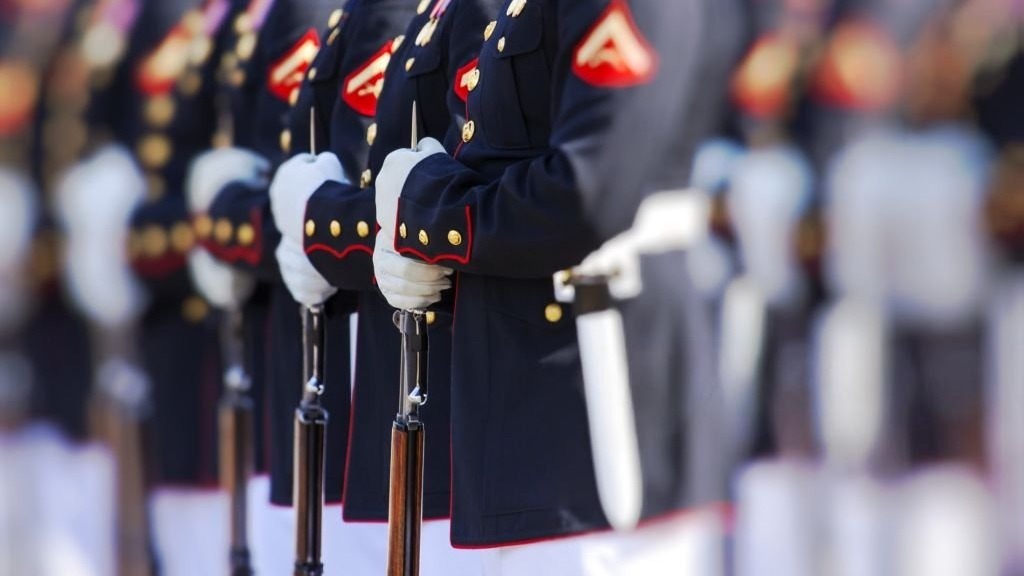
Marine Corps body bearers carrying flag-draped casket in ceremony.


A Unique Tradition: The Role of Body Bearers in the Marine Corps

In the realm of military ceremonies, the Marine Corps stands out for its distinctive practice of utilizing only six body bearers during funeral services, unlike the eight used by other branches of the military. This decision is deeply rooted in tradition and reflects the Corps' principles of honor, courage, and commitment. The somber duty of body bearers, who carry the casket of the fallen service member, symbolizes a final salute to those who have bravely served the nation. Each Marine selected for this honor is trained extensively not only in the logistics of carrying the casket but also in understanding the profound significance of their role in honoring a hero.

Why Just Six? Understanding the Marine Corps' Choices

While some may presume that using eight body bearers implies a greater show of respect, the Marine Corps emphasizes efficiency and precision with its six. This choice not only simplifies the ceremony but also ensures that each bearer is able to fulfill their duties without distraction. Additionally, this smaller, tight-knit team allows for a focused presentation, highlighting the Marine Corps' values of teamwork and discipline. The choice carries a weight of symbolism, representing the six branches of service—the Army, Navy, Air Force, Marines, Coast Guard, and Merchant Marines—bonded together in mutual respect and remembrance.

A Symbol of Respect: The Impact on Families and the Community

The use of body bearers, especially among the Marines, serves an important role not just for the military community but also for the families of the deceased. Knowing that a small yet capable team is dedicated to honoring their loved one fosters a sense of pride and closure. Families often express profound gratitude for the careful orchestration of these ceremonies, which highlight the bravery and sacrifice of their fallen heroes. The emotion behind each movement performed by the body bearers transmits a collective grief shared by all who attend, nurturing ties within the community that has rallied around service and sacrifice.

Honor Beyond the Ceremony: Marine Corps Values in Action

Nurturing a spirit of valor, the Marine Corps exemplifies bravery in every aspect of service. The commitment displayed by the body bearers reflects broader narratives of military valor stories where acts of heroism shine. These stories stretch far beyond ceremonies; they resonate with the experiences of veterans and active-duty service members who have displayed remarkable courage in combat. The visible display of honor during these funerals reinforces the importance of recognizing and celebrating military bravery stories.

Continuing the Legacy: Honoring Military Heroes

As we look to the future, the role of body bearers in military funerals must be viewed within the larger context of honoring military heroes. Engaging ceremonies that highlight the commitment of the Marine Corps ensure that both individual and collective acts of valor are remembered. Such traditions foster continuity, allowing new generations to recognize the sacrifices made by their predecessors. Encouraging community participation in these events not only reinforces military leadership and courage but also instills a sense of pride in civilian onlookers, bridging the gap between military service and public appreciation.

Ultimately, understanding why the Marine Corps uses six body bearers unveils a rich tapestry of values that are perpetuated through each ceremonial act. It is more than a tradition; it is a commitment to honor military service members and their families, ensuring that acts of valor are never forgotten.

Join us in honoring our military heroes by sharing their stories and participating in community programs that continue the spirit of valor in action.


Valor in Action

0 Comments

Write A Comment

*
*
Related Posts All Posts
02.21.2026

How Baron von Steuben's Discipline Shaped Today's U.S. Army

Update A Legacy Forged in Discipline: The Impact of Baron von Steuben Baron Friedrich Wilhelm von Steuben, a name synonymous with military discipline in America, played a pivotal role in shaping the Continental Army during its most trying times. Arriving in Valley Forge during the brutal winter of 1778, von Steuben transformed a seemingly disjointed and poorly trained army into a disciplined fighting force capable of taking on the formidable British troops. His story is not just about military tactics; it’s about the core values of discipline, leadership, and resilience that resonate deeply within today's military community. Baron von Steuben: A Soldier without an Army When von Steuben set foot in America, he was not a celebrated general with a storied past but rather a professional soldier searching for purpose. His extensive background in the Prussian army had exposed him to rigorous training and elite military standards, knowledge that he would soon impart to American soldiers. Von Steuben recognized that the existing Continental Army lacked the organization and discipline of European forces, which was critical to survival on the battlefield. The Valley Forge Transformation Valley Forge was more than just a camp; it was the crucible in which the Continental Army was forged. Soldiers were plagued by countless challenges, from hunger to disease, and moral was dangerously low. Von Steuben’s innovative training methods were nothing short of revolutionary. He selected a 'model company' of about 100 men to establish a new standard of drills and maneuvers, which would later spread throughout the entire army. This hands-on approach not only educated soldiers on how to execute complex maneuvers under pressure but also instilled a sense of pride and brotherhood among the troops. The Birth of the 'Blue Book' Perhaps von Steuben's most significant contribution was his manual, "Regulations for the Order and Discipline of the Troops of the United States," commonly known as the 'Blue Book.' This extensive guide provided standardized training protocols and addressed every aspect of military life, from formations to sanitation. It became the Army’s primary manual until the War of 1812, laying the groundwork for how the United States Army operates today. With this book, von Steuben not only taught soldiers how to fight but how to live honorably as members of a structured army. Transforming a Nation’s Fighting Spirit As the Continental Army marched into the Battle of Monmouth in June 1778, the significant impact of von Steuben’s training was indisputable. The American soldiers demonstrated discipline and cohesion that turned the tide against what was once seen as an invincible British army. This newfound confidence stemmed from a realization that they were no longer just soldiers; they were part of a trained, unified force. The psychological shift that occurred during this time instilled a sense of identity that shaped American military culture for generations to come. Honoring von Steuben's Legacy: Connection to Today's Military For active-duty service members and veterans, the lessons defined by Baron von Steuben resonate deeply with the values they uphold today. His story epitomizes the importance of discipline, leadership, and mutual respect among troops. Through mentorship initiatives like AristaValor and job placement programs through AristaHire, these values continue to guide veterans as they transition into civilian life. Echoes of von Steuben's legacy can be felt in every discussion about military valor, leadership, and courage in combat. In the spirit of fortitude that von Steuben represented, we must remember the foundational truth he instilled in the American military: freedom and discipline go hand in hand. As we approach the 250th anniversary of the United States, revisiting our military roots helps us honor those who paved the way for our freedoms, reaffirming the values that shape us as a nation of brave individuals. For veterans and active service members looking to continue this legacy, consider exploring AristaValor's mentorship programs or learn about job placement opportunities at AristaHire. Engaging in initiatives that empower veterans not only honors the past but also builds a brighter future for those who serve.

02.19.2026

Shine Award: A Glorious Tribute to Military Valor and Leadership

Update Recognizing Leadership and Valor in ActionIn a remarkable event that celebrates military excellence, recently, a pilot from the air guard was honored with the prestigious Shine Award. This accolade recognizes exceptional service and leadership, underscoring the importance of valor in the military community. The award is not merely a medal but a testament to dedication, courage, and commitment to service before self. Such recognitions serve as a beacon, inspiring others within the ranks of the National Guard to strive for excellence and uphold the values fundamental to military service.The Legacy of Military ServiceThe significance of the Shine Award extends beyond the individual recipient. It highlights the collective spirit and tenacity of the air guard, reinforcing the ethos of service before self that is entrenched in military culture. Each award received represents countless hours of hard work, dedication, and often personal sacrifice. Military members understand that such accolades often symbolize the profound stories of those who serve—stories filled with resilience, personal growth, and an unwavering commitment to their fellow soldiers and the nation they protect.Celebrating Hometown HeroesThis award not only shines a spotlight on the accomplishments of individual soldiers but also reflects the support of their communities. The representatives of the military often emerge as hometown heroes, returning to the communities that foster their growth and resilience. Local community members, civic leaders, and military families revel in these moments of recognition, furthering the bond between service members and their supporters. By celebrating these heroic journeys, we emphasize the shared narrative of valor and sacrifice that builds mutual respect across communities.Leading by Example: Teaching Future GenerationsSuch honors serve as valuable teaching moments for the next generation of service members, illustrating the qualities of leadership and excellence that define the military ethos. Veterans who have received such accolades often take on mentorship roles, sharing lessons learned and leadership strategies with younger soldiers. This passing of knowledge is vital for ensuring the continual growth and strength of military units, preparing future guardians of freedom and democracy.Conclusion: Inspiring Future ValorThe recognition of our air guard pilot with the Shine Award serves as a powerful reminder that leadership, courage, and commitment to one’s duty resonate far beyond personal achievement. As we reflect on the accomplishments of individuals in the military, we find stories that inspire resilience, nurture community outreach, and bolster national pride. Every honor granted not only recognizes excellence but instills a sense of purpose and direction for those who follow in their footsteps.

02.19.2026

Discover How Military Service Influences U.S. Presidents' Leadership Styles

Update The Unbroken Link: U.S. Presidents and Military Service Did you know that thirty-one U.S. presidents had prior military service? This strong connection between military experience and presidential leadership shapes not only individual careers but also the broader fabric of American history. Understanding this relationship unveils valuable insights about leadership, courage, and public service. Historic Footsteps: An Overview of Military Commanders The tradition of military service in the highest office of the land began with George Washington, the first commander-in-chief, setting a precedent that many would follow in the years to come. Notably, Abraham Lincoln served as a captain in the Illinois militia, a role that informed his presidency during the trying days of the Civil War. From the Revolutionary War to the Global War on Terror, each conflict has molded its leaders. Interestingly, many of the most revered presidents, like Eisenhower and Kennedy, garnered respect and credibility from their wartime service, underscoring the importance of military valor in public perception. Courage in Combat: Impact on Leadership Styles Research suggests that military veterans often bring a unique set of leadership skills shaped by their experiences on the battlefield. Military training instills a sense of discipline, strategic thinking, and a willingness to make tough decisions—traits that prove indispensable in the Oval Office. Veterans who ascend to the presidency can draw upon personal experiences of bravery and crisis to guide their decision-making processes. For instance, Dwight D. Eisenhower's strategic acumen gained in the Army served him during critical moments of the Cold War, demonstrating how battlefield experiences can translate to national leadership. Changing Times: The Rise and Fall of the Veteran Presidency Historically, the narrative has shifted; where once military service was a robust qualification for the presidency, public sentiment has changed significantly over time. Notably, veteran politicians enjoyed great success in the aftermath of major conflicts such as World War II, benefitting from a societal reverence for their military background. However, this created a notable vacuum in the post-Vietnam era, where military service became less of a necessity in the electoral arena. This raises pertinent questions about how current and future leaders will emerge from a military context that is increasingly complex and far removed from the notion of a citizen-soldier. Current Events: A Reflection of Society's Values Today, as we look upon the landscape of political leadership and military involvement, many wonder about the implications of this divide. With the conflicts in Iraq and Afghanistan declining in public consciousness, the question remains—will we see another veteran president? The last to serve in combat was George H.W. Bush, and as our armed forces transform, the link between military service and presidential capability may become increasingly tenuous. Honoring Military Heroes: Lessons Learned As we reflect on these stories of valor and leadership, it’s essential to honor the sacrifices made by those who serve our nation. The stories gleaned from veteran presidents, from Washington’s generalship to Obama’s bipartisan calls for unity, shape our understanding of courage, sacrifice, and resilience—hallmarks of military life. Encouragingly, initiatives that support veterans transitioning into civilian careers highlight the ongoing commitment to honoring military heroism. Whether you’re a veteran, a service member, or a family member, sharing these stories not only strengthens community bonds but also fosters a greater understanding of the sacrifices made to uphold our freedoms. So, let’s engage in conversations about these military valor stories that continue to define leadership and courage within the highest echelons of American governance.

Terms of Service

Privacy Policy

Core Modal Title

Sorry, no results found

You Might Find These Articles Interesting

T
Please Check Your Email
We Will Be Following Up Shortly
*
*
*