Add Row
Add Element
cropper
update
AristaValor
update
Add Element
  • Home
  • Categories
    • Valor in Action
    • Family
    • Battle-Tested Leadership
    • Hiring & Skill Development
    • Entrepreneurship & Innovation
    • Mission-Critical News
    • Strength in Community
    • Corporate Allies
    • Freestyle
    • Featured
May 17.2025
3 Minutes Read

Transformative Leadership Insights: Why Trade-Offs Matter More Than Balance

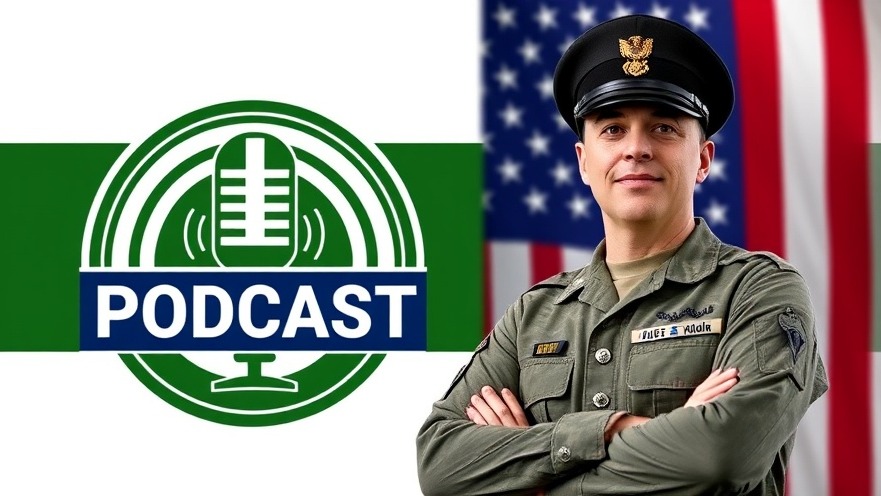
Confident military leader podcast ad showcasing courage in leadership and decision-making strategies.


Understanding the Paradigm Shift: Trade-offs Over Balance

In the high-stakes world of military leadership, the notion of balance has often been touted as the ultimate objective. However, Lieutenant General Mary K. Izaguirre's insights challenge this paradigm, proposing that the cornerstone of effective leadership lies not in balance but in making strategic trade-offs. Her philosophy stems from years of navigating complex operational environments, where leaders must prioritize and make tough decisions that can impact lives and mission outcomes.

The Leadership Lessons from General Izaguirre's Career

General Izaguirre’s trajectory in the military showcases the importance of adaptability and the calculated balancing act of priorities. As she navigated varying roles—from serving as a commander in critical missions to mentoring future leaders—she learned that trade-offs are foundational in both military and corporate settings. This approach resonates deeply with both active military personnel and corporate leaders seeking to foster innovation and resilience within their teams.

Correlating Military Leadership to Corporate Success

One of General Izaguirre's key messages is that military leadership principles can greatly enhance corporate strategy. The agility in decision-making, the emphasis on team cohesion, and the profound understanding of human behavior play vital roles in both arenas. Business leaders can draw on the effective conflict resolution strategies honed in the battlefield to guide their teams through corporate challenges, ensuring measured responses in environments that demand quick but informed actions.

Diverse Perspectives: Balancing Personal and Professional Life

While General Izaguirre emphasizes trade-offs, this approach isn’t limited to professional decisions; it extends into our personal lives as well. The struggles of active-duty service members and their families often mirror those in the business world, where choices have significant repercussions. Understanding the need for trade-offs allows military families to navigate the complexities of deployment, career advancement, and maintaining family bonds. This dual understanding enriches both personal fulfillment and professional effectiveness.

Real-Life Applications of Trade-Off Models

Implementing General Izaguirre's trade-off philosophy can manifest in various actionable insights. For instance, prioritizing time management and delegation helps leaders focus on what truly matters, whether in a high-pressure military context or a competitive corporate environment. By adopting a strategic mindset that embraces trade-offs, leaders can cultivate resilience, applying lessons learned from military heroism into daily operations.

Fostering Courage and Bravery: Lessons in Valor

The stories of valor within the military are a testament to the strength of trade-offs in decision-making. Accounts of heroic acts in Iraq and Afghanistan illustrate how leaders faced life-and-death situations, weighing risks and benefits continuously. General Izaguirre embodies this principle of courage, demonstrating how prioritizing the mission above personal comfort can lead to extraordinary outcomes. These narratives inspire both military and civilian leaders, showcasing the profound impact of courageous decision-making.

Inspiring Future Leaders with Military Heritage

Engaging the next generation of leaders requires a culture that honors military heritage and the sacrifices made by veterans. By understanding the trade-offs inherent in military leadership, aspiring leaders can draw inspiration from veteran stories of courage and resilience. Education programs and mentorship initiatives can cultivate a new breed of leaders who are prepared to face challenges head-on, armed with insights from the battlefield.

As we reflect on General Izaguirre’s leadership journey, it becomes clear that the essence of leadership is derived from the strategic choices we make. Rather than striving for an elusive balance, leaders in every field can achieve greater success through a thoughtful approach to trade-offs that leverages both military discipline and real-world wisdom. This balance, or rather the strategy of trade-offs, can transform how we lead ourselves, our teams, and the communities we serve.

Embrace the lessons from military leaders and begin applying them to your journey of leadership today. The trade-offs you make form the foundation of your success, honoring both personal and professional commitments.


Battle-Tested Leadership

Write A Comment

*
*
Related Posts All Posts
12.14.2025

Leadership and Brew: Carl Churchill's Lessons on Resilience and Valor

Update Brewing More Than Just Coffee: A Journey of LeadershipIn a world where resilience often feels tested, few stories shine brighter than that of Carl Churchill. A retired Army lieutenant colonel and co-founder of Alpha Coffee, Carl illustrates how the disciplined tenets of military life can seamlessly translate into the volatile realm of entrepreneurship. After over two decades of service, he embarked on a second career, forever altering his path in the wake of the Great Recession, forcing him to pivot from military structure into a new reality.Carl's narrative isn't just about brewing a perfect cup of coffee; it's about infusing military values into business practices. Just as a soldier must adapt to shifting landscapes, leaders in business must embrace change, cultivate culture, and uphold discipline within their teams. Through a candid discussion with Joe, listeners gain insights into how military experiences forge unyielding leaders ready to tackle uncertainty.Leadership Lessons from the BattlefieldCarl's emphasis on military leadership highlights the importance of understanding facets that go beyond mere strategy. He points out that culture serves as the backbone of successful teams. Through stories of camaraderie and challenge, it becomes evident that building a strong workplace ethos often makes the difference between thriving and failing. As he discusses the necessity of 'burning the boats'—a metaphor for committing wholeheartedly to one's mission and abandoning the option of retreat—it perfectly encapsulates the courage and determination present in both military and business endeavors.Values Shaping Successful EntrepreneursIn Carl's eyes, virtues like discipline, perspective, and resilience aren’t just military ideals—they are essential ingredients for anyone venturing into the entrepreneurial world. In established military structures, leaders often find clarity in purpose, which can be instrumental when pivoting into new challenges post-service. This segment of the conversation touches on how the mindset cultivated by military training prepares individuals for the often-tumultuous journey of starting a business.Connecting with Younger GenerationsCommunication is key, especially when it comes to leading younger generations. Carl acknowledges the shift in dynamics, where traditional methods of leadership may not resonate as effectively as they once did. Leadership isn't just about authority anymore; it encompasses emotional intelligence, connection, and adaptability. The ability to guide younger team members while maintaining standards reflects a delicate balance: leading with empathy while simultaneously instilling a culture of accountability.Building a Legacy through HardshipAs the conversation unfolds, listeners are drawn into the real-life implications of military hardship and its role in shaping resilient leaders. The ability to face adversity and emerge with fortitude not only builds character but also equips leaders to handle stress in ways that others may struggle to comprehend. Carl embodies this idea, illustrating how past experiences guide leaders through the unpredictability of business.Practical Insights for Future LeadersFor aspiring leaders and entrepreneurs, Carl offers valuable insights transcending the specifics of brewing coffee. He emphasizes the importance of establishing boundaries—an aspect that is crucial not only for maintaining balance in work-life but also for sustaining long-term success. Understanding the nuances of leadership styles, especially in the face of rapid generational shifts, allows leaders to adapt effectively while retaining core values derived from their experiences.Conclusion: Embrace Your Leadership JourneyWhether you are a transitioning veteran, a business leader, or someone looking to innovate within your industry, the blend of military discipline and entrepreneurial spirit is key to navigating uncertainty. In a world increasingly defined by change, the lessons drawn from Carl Churchill's life remind us that true valor in any field often comes from the steadfast resolve built over years of dedication and trial. As you move forward, remember the value of continual adaptation and the importance of nurturing a robust team culture.For anyone inspired to take the next step in their leadership journey, engage with veterans and business leaders who can offer timeless wisdom forged in the fires of experience. Embrace the lessons, stories, and techniques that can set a higher standard for your own ventures.

12.13.2025

Understanding Effective Leadership: Your True North and the Golden Rule

Update Finding Your True North in Leadership For many aspiring leaders navigating the complexities of effectively guiding teams—be they in military, corporate, or family spheres—the plethora of available leadership advice can be overwhelming. One pervasive challenge is discerning the right approach from the vast sea of strategies espoused by seasoned experts, charismatic entrepreneurs, and military heroes. This is even more poignant for young leaders, such as active duty service members or veterans transitioning to civilian roles, who may find themselves caught between contrasting styles and expectations. The Overlap of Military and Business Leadership The qualities of leadership exemplified in the military often hold significant value in civilian contexts, particularly in high-stakes environments such as Fortune 100 companies. Military leaders face a dynamic landscape where the rules shift based on the mission, much like corporate leaders responding to fluctuating market conditions. Both arenas call for adaptability, decisiveness, and above all, integrity. As CSM Scott Dinse emphasizes in his insightful article, a leader's 'true north' plays a pivotal role in guiding individuals through uncertainty by anchoring them to core values. Understanding the Golden Rule: A Leadership Foundation The essence of leadership highlighted by Dinse can be distilled into the Golden Rule: "treat others as you would want to be treated." This principle transcends cultural boundaries and is especially crucial in the military context where the stakes can be life and death. As articulated within military training, leaders are tasked with challenging their subordinates, pushing them out of their comfort zones, and equipping them to face harsh realities. The transformative power of the Golden Rule lies not solely in kindness, but in serving as a 'sanity check' for soldiers who may not fully grasp the implications of their decisions. A Complex, Yet Rewarding Responsibility Leadership in the military, far from being just about authority, is an intricate balance of compassion and rigor. Learning the veteran’s journey, leaders encounter the duality of nurturing soldiers while simultaneously instilling resilience. They must embrace hard conversations and difficult truths, often contrasting with their natural instincts to be supportive. The essence of true leadership is empowering others by reinforcing their strengths and addressing their weaknesses, which leads to tangible growth. Emphasizing Human Connection One aspect of leadership often overshadowed is the emotional intelligence required to navigate the stresses and challenges faced by those under your command. In the context of military service, a soldier's minor grievance might be minor in the eyes of a seasoned leader; however, its importance can escalate drastically for the individual experiencing it. An effective leader must take the time to truly understand their soldiers’ perspectives. This relationship-building goes a long way in nurturing loyalty, resilience, and a team-oriented mindset. Lessons from Historical Contexts Reflecting on notable military leaders throughout history—whether through impactful decisions made during intense combat or through exemplary peacekeeping methods—we can glean valuable insights into effective leadership. The lessons of valor and courage demonstrated by these leaders remind us that leadership is oftentimes forged in the crucible of adversity. For instance, renowned military operations and decisions can illustrate the importance of principled leadership rooted in a communal understanding of the Golden Rule. Practical Applications for Today’s Leaders For today's leaders in both military and civilian roles, the challenge lies in implementing these principles into practice. It’s one thing to comprehend the Golden Rule; it’s another to apply it in real-life situations. Here are some actionable insights for leaders: Listen Actively: Make dedicated time to engage with your team members. Their concerns might seem minor to you but can significantly impact their morale and performance. Provide Constructive Feedback: Approach conversations with the intent of guiding improvement rather than just calling out mistakes. Encourage growth through constructive criticism. Lead by Example: Display the behavior you expect from your team. If you want respect and accountability, show them integrity in action. Adapt Leadership Style: Recognize that not every situation demands the same response or approach. Develop a flexible framework around the core values of leadership. A Call to Action for Military and Business Leaders As veterans and business leaders, it is our responsibility to mentor the next generation, ensuring they understand that effective leadership is not merely about power or authority; it is about influence, respect, and fostering an environment of growth. The impact of applying the Golden Rule thoughtfully can set a new standard of leadership that breaks through barriers, cultivates character, and celebrates courage. Embrace the challenges of leadership—it is not just a role but an influential commitment to uplift those we lead.

12.11.2025

Unlocking Leadership Skills: Four Key Reasons to Write Book Reviews

Discover the benefits of writing a book review and how it can enhance your leadership skills, boost critical thinking, and engage you within the literary community.

Terms of Service

Privacy Policy

Core Modal Title

Sorry, no results found

You Might Find These Articles Interesting

T
Please Check Your Email
We Will Be Following Up Shortly
*
*
*