Add Row
Add Element
cropper
update
AristaValor
update
Add Element
  • Home
  • Categories
    • Valor in Action
    • Family
    • Battle-Tested Leadership
    • Hiring & Skill Development
    • Entrepreneurship & Innovation
    • Mission-Critical News
    • Strength in Community
    • Corporate Allies
    • Freestyle
    • Featured

Military Culture Shift with Corie Weathers

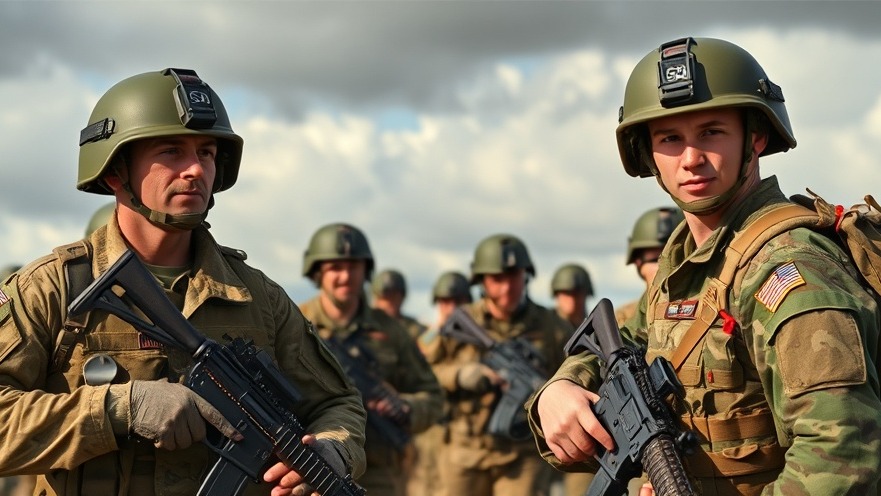
American troops exemplifying battle tested leadership and mental wellness in military.


The Evolving Military Landscape: Insights from Corie Weathers

In the recent episode of the podcast featuring Corie Weathers, a licensed professional counselor and author, listeners are presented with a compelling discussion about the significant cultural shift within the military over the last 20 years. Given the evolving nature of military service, leadership, and family dynamics, Weathers' insights highlight the unique challenges faced by service members and their families today.

Understanding the Impact of the Global War on Terror

One of the most profound influences on military culture has been the Global War on Terror, which has shaped an entire generation of leaders. Weathers emphasizes the psychological toll this has taken—ranging from combat stress to the unseen burdens of leadership. Service members entering the military today carry with them the collective experiences of their predecessors, and as understood in a recent scoping review of military culture and mental health, these experiences significantly affect their identity and well-being.

Generational Shifts in Military Culture: The Rise of Gen Z

A noteworthy discussion point in the episode revolves around Gen Z, whose approach to work and life differs dramatically from previous generations. Their emphasis on mental wellness, self-care, and a balanced life demands a reevaluation of traditional military practices. Understanding these generational shifts is pivotal for fostering an inclusive environment that values both resilience and vulnerability among service members.

The Importance of Family Dynamics in Military Service

Weathers sheds light on the evolving role of military spouses and family networks. The increase in dual-income households and the need for comprehensive support structures highlight a shift towards a more integrated family unit in military life. This aligns with findings from studies on military identity that suggest emotional and mental health outcomes significantly improve when service members feel supported by their families.

Healing Through Reflection: The Role of Mental Wellness

Highlighting the necessity of reflection, Weathers articulates that taking time to process experiences is essential for long-term well-being. The emphasis on mental wellness within military environments is crucial. As shown in research, fostering a culture that encourages self-care and mental health support is essential for effective leadership and the overall resilience of military teams.

Imparting Leadership Lessons: Preparing for the Future

The discussion also delves into how military leaders can guide their teams through these cultural changes effectively. Leaders are encouraged to equip themselves with skills that prioritize empathy, adaptability, and open communication to promote a psychologically safe environment. Recognizing that today's service members are not just wielders of weapons but also individuals navigating complex emotional landscapes is vital for future military success.

Empowering a New Generation of Military Leaders

From Weathers' insights, it’s evident that a clear understanding of the current military culture shift is imperative for those in leadership roles. As the military grapples with these transformations, the efforts to integrate positive mental health practices and to recognize the critical role of military families will be essential to ensuring the resilience of future service members. Just as military heroes have demonstrated extraordinary acts of valor, today’s leaders must rise to meet the evolving challenges with courage and compassion.

If you are finding it challenging to transition from military to civilian life or are interested in leadership insights that reflect the current military culture, consider accessing resources such as the Warrior Allegiance, which supports veterans through these transitions. Their commitment to helping service members navigate these complexities is invaluable in today’s ever-changing landscape.


Battle-Tested Leadership

0 Comments

Write A Comment

*
*
Related Posts All Posts
02.20.2026

Why Waiting for Favorable Conditions Hinders Leadership and Growth

Update Embracing the Power of Now: Why We Must Not WaitIn an age saturated with information and distractions, many find themselves waiting for 'favorable conditions' before engaging in their meaningful work. As we wade through the uncertainty of the present—be it due to personal trials, professional challenges, or global events—C.S. Lewis's poignant insights from his sermon during World War II remind us of the urgency to act. He posited that favorable conditions are an illusion that may never manifest.In a compelling address at Oxford in 1939, Lewis told students that they could easily succumb to the temptation of postponing their creative and intellectual pursuits while anxiously awaiting better times. He framed the notion succinctly: "Favorable conditions never come". This wisdom resonates deeply with those of us navigating the complexities of life today; it is all too easy to fall into a cycle of distraction, expecting perfect timing to embark on projects that matter to us.Historical Context: Lessons from Light Amidst DarknessLewis’s message was not merely a reflection on individual ambition but a clarion call for cultural perseverance. Amidst the horrors of war, he urged us to channel our fears and uncertainties into productive outlets rather than succumbing to despair. Historical figures like J.R.R. Tolkien and Lewis himself, who created enduring works during tumultuous times, provide evidence that significant contributions emerge from commitment to one’s craft, irrespective of external circumstances.Fear as a Hindrance: Overcoming Inner BarriersAccording to Lewis, there are three specific enemies that blur our focus on meaningful work, especially in uncertain times: fear, frustration, and excitement. Fear of failing to make a meaningful impact can paralyze potential leaders and creatives alike. However, understanding that our contributions are valuable in their own right can empower us to push through the chaos. Engaging with our communities, whether they be military families or corporate teams, we can remind one another that every effort matters, even on the darkest days.Actionable Insights: Strategies for Moving ForwardTo combat these enemies and actively pursue our goals, we must prioritize actionable strategies:Set Clear Objectives: Clearly defined goals can help direct our energies toward what matters most, making it easier to prioritize work despite distractions.Create Regular Routines: Establishing a daily routine helps create consistency even amid uncertainty, providing structure that can keep us engaged.Embrace Small Wins: Recognizing and celebrating small achievements can counteract feelings of helplessness, encouraging us to stay committed to our larger goals.The Virtue of Service: A Call to ActionThe act of leading and serving within our communities, especially for military families and veterans, can profoundly shape both our personal narratives and shared histories. In this way, each of us becomes a taproot for resilience, fostering a shared commitment to problem-solving and fortitude. As we engage to support one another, we honor the legacies of leadership and courage passed down from heroes before us.Now, let us not wait for circumstances to shift. Instead, let each of us take proactive steps today. Share your gifts, engage with your community, and lead through action. Remember, as Lewis aptly reminded us, the time to start is now.

02.19.2026

Discover Leadership Lessons from Coach Bill Walsh for Lasting Success

Update The Leadership Legacy of Coach Bill Walsh As we approach Super Bowl weekend, there's no better time to explore the enduring leadership principles of Bill Walsh, the legendary head coach of the San Francisco 49ers. In a recent episode of a compelling podcast hosted by Joe, authors Griffin Brand and Dan Casey dive deep into Walsh's philosophy, vividly transforming it into a blueprint that extends beyond the football field into the realms of business and life. Their insights are particularly valuable for active duty service members, veterans, entrepreneurs, and business leaders alike, offering lessons on sustained performance amid challenges. Success is a Lagging Indicator At the crux of Walsh's leadership philosophy is the understanding that real success is not instantaneous but rather a lagging indicator of behaviors, attitudes, and commitments. As Brand and Casey elucidate, effective leadership is rooted in the preparation—long before the results of performance are evident. This perspective challenges the often-held notion that success is simply about winning or achieving immediate results. According to Walsh, it’s the standards, habits, and personal ownership of these elements that truly drive outcomes. This principle resonates strongly in the military, where service members often face unpredictable environments where outcomes can be heavily influenced by prior preparation and training. For leaders, this means focusing more on developing a cohesive team culture rather than merely fixating on victories. Prepare, Perform, and Persevere A key takeaway from the conversation is the notion of 'bringing your own pencil'—a metaphor that encompasses the importance of individual responsibility and readiness. Just like in the military where readiness is paramount, Walsh’s methods highlight that leadership isn't just given; it’s cultivated through dedication and discipline. Challenges and defeats are inevitable, but Walsh encourages leaders to embrace resilience, adopting a mindset that views failures as stepping stones along the path to improvement. Building strong leadership requires cultivating a mindset rooted in resilience, reminding leaders and aspiring leaders alike to embrace failures as feedback. As Walsh eloquently stated, true leadership shines when one continues to 'stand up and fight again,' regardless of the setbacks they face. This sentiment strongly mirrors the ethos embedded in military training, where resilience and adaptability are key in overcoming obstacles. Culture of Excellence and Legacy Building Another intriguing aspect of the episode is the emphasis on cultivating a culture of excellence. Walsh believed that a team’s culture should not just aim for external accolades but should focus on internal growth and respect. This philosophy implies that when leaders prioritize their teams' well-being and professional development, they are unintentionally crafting a legacy that stretches beyond personal achievements. For active duty service members and veterans transitioning into civilian roles, understanding how to nurture a healthy organizational culture can be invaluable. A thriving culture characterized by mutual respect, continuous improvement, and a clear standard of performance fosters a productive environment, ultimately leading to not just success but sustained excellence. This invaluable insight is essential for leaders aiming to make lasting changes in both military and business environments. Applying Walsh’s Principles Today As we dissect Bill Walsh’s leadership lessons, it becomes clear that these principles are universally applicable. For military leaders, this means taking the time to invest in subordinates, understanding that their growth reflects on the leader's legacy. Whether it’s assisting a fellow service member through a challenging transition or fostering innovation in the workplace, the essence of leadership transcends the immediate outcome and focuses on empowering others. The podcast leverages Walsh’s principles by focusing on how leaders can adapt these strategies in today’s dynamic landscapes. They encourage leaders to prioritize individual and team development over transactional success, creating environments where all members feel empowered to contribute and grow. By following Walsh’s example, leaders from all sectors can create enduring legacies based on value, respect, and excellence. If you’re interested in integrating these enlightening lessons into your leadership style, consider engaging with further resources that focus on military leadership and practical business applications. Emphasizing the power of commitment, preparation, and a culture of respect will ensure you not only lead effectively but also make a significant impact on those around you.

02.18.2026

How Work Stress Hijacks Your Life: Insights for Leaders and Veterans

Discover how work stress hijacks your life and effective strategies for stress management, leadership impact, and emotional health for military and business leaders.

Terms of Service

Privacy Policy

Core Modal Title

Sorry, no results found

You Might Find These Articles Interesting

T
Please Check Your Email
We Will Be Following Up Shortly
*
*
*