Add Row
Add Element
cropper
update
AristaValor
update
Add Element
  • Home
  • Categories
    • Valor in Action
    • Family
    • Battle-Tested Leadership
    • Hiring & Skill Development
    • Entrepreneurship & Innovation
    • Mission-Critical News
    • Strength in Community
    • Corporate Allies
    • Freestyle
    • Featured
September 12.2025
3 Minutes Read

How Recruiters Transform Lives for Veterans and Families in 2025

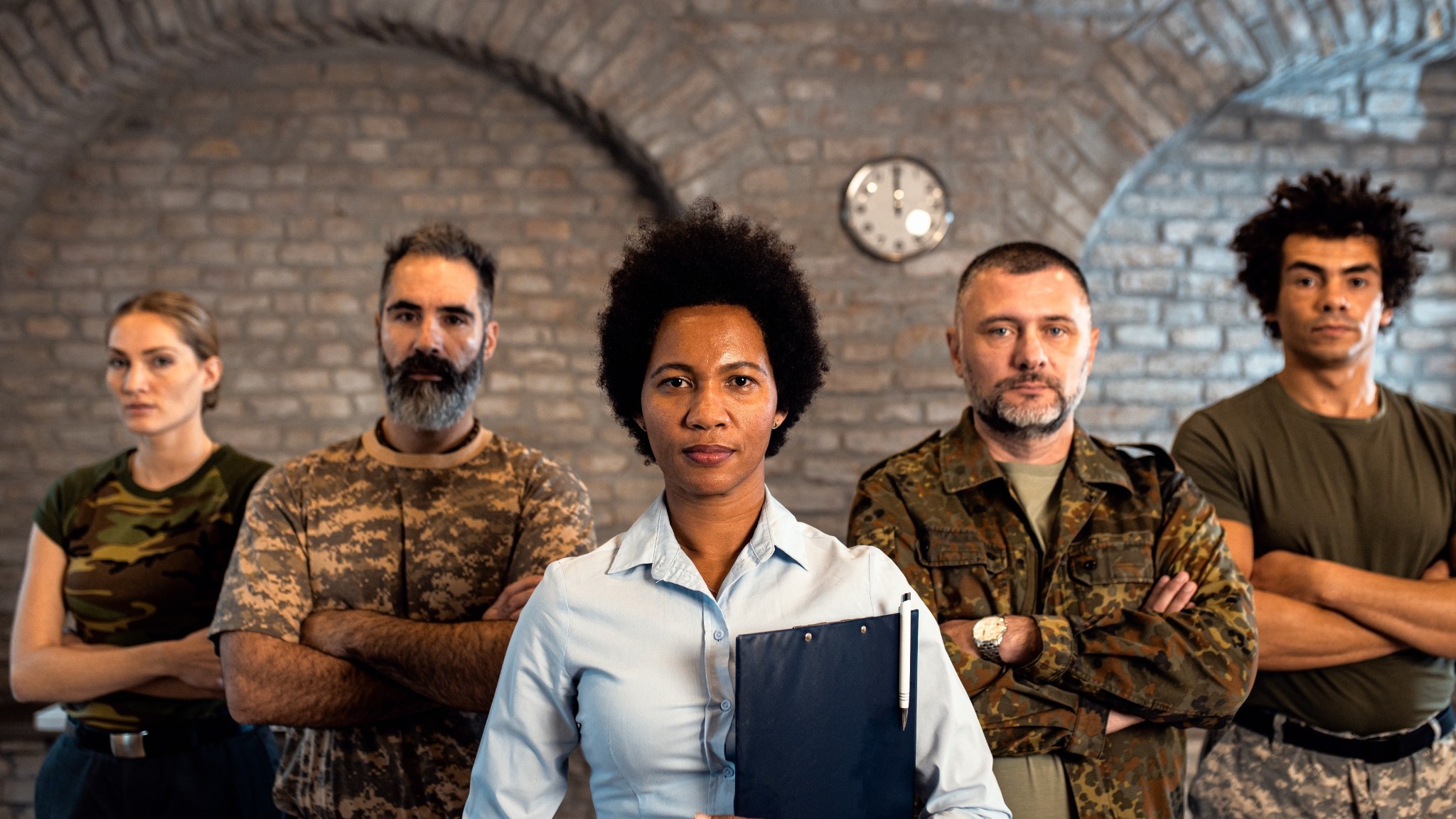
Smiling woman in office setting during career transition conversation.


Why Recruiters Deserve More Recognition

It’s easy to overlook the impact that recruiters have on our lives. For many active duty service members and veterans, transitioning to civilian careers is a crucial step filled with uncertainty. However, recruiters are often the guiding hands that help navigate this stressful process. In the cleared space, where the stakes are incredibly high, the role of a recruiter transcends mere job placement. They become pivotal in connecting candidates to missions that safeguard our nation, innovate technology, and support families across the country.

The Emotional Resonance Behind the Offer

Each time a recruiter delivers the life-altering news of a job offer, they contribute a moment of joy that candidates cherish. It’s not just about the salary or the work; it’s about a life transformed. For many veterans and service members, the joy of receiving a job offer feels like returning home after a long deployment. Imagine the sense of relief and excitement washing over them as they move closer to stability and fulfillment.

The Mission-Critical Role of Recruiters

Recruiters aren’t simply filling vacancies; they are building the very foundation of our national security and innovation sectors. The candidates they place aren’t just employees; they’re the engineers working on systems to protect soldiers, the analysts ensuring community safety, and the developers pushing technological boundaries. The connection between a recruiter and a candidate can directly impact the safety and wellbeing of countless individuals.

Building Relationships: Matchmakers in the Cleared Space

The matchmaking process in recruiting isn’t just a transactional task; it’s about relationships, trust, and advocacy. For recruiters in the cleared space, the challenge often transcends the paperwork and logistical hurdles. It’s about tapping into an emotional reservoir that influences their efforts to connect candidates not only with jobs but with careers that resonate with their life goals. This is particularly important for military spouses who often face unique challenges in employment due to frequent relocations, and recruiters who understand their specific needs can make all the difference.

The Future of Recruiting: Embracing New Technologies

Looking ahead to 2025, it’s clear that the recruiting landscape will be drastically changed by technology. Artificial intelligence, data-driven insights, and video interviews will streamline processes that were once tedious. However, beneath this technological layer remains the irreplaceable human element. Recruiters will continue to serve as advocates, ensuring that the candidates they liaise with are more than just names on a spreadsheet.

Encouragement for the Journey Ahead

As recruiters and candidates navigate the complexities of the job market, especially in the military space, support and encouragement are essential. For service members transitioning into civilian life, it's important to leverage resources available through organizations like AristaValor and AristaHire, which specialize in helping veterans connect with meaningful employment opportunities. Knowing that someone believes in your potential can work wonders for self-confidence and motivation.

Take Action: Connect with a Recruiter Today

If you’re an active duty service member or veteran looking to make the leap into civilian life, don’t hesitate. Reach out to a recruiter who understands your unique journey. Start exploring opportunities that put your skills to work in roles that are not only fulfilling but contribute to the mission of serving and protecting those who protect us. The call you receive may just change your life.


Hiring & Skill Development

0 Comments

Write A Comment

*
*
Related Posts All Posts
02.21.2026

Discover the Vital Role of Covering Agents in Military Careers and Valor

Update Why Covering Agents Matter in Military Transition When transitioning from active duty to civilian life, many might overlook the incredible role played by covering agents. These individuals serve a critical purpose, akin to unsung heroes who often work behind the scenes to ensure the success of military endeavors and the safety of their fellow service members. The Unsung Heroes: Covering Agents Defined Covering agents hold a unique position in military operations. They operate under assumed identities, offering protection and support during crucial missions. Unlike some military personnel whose bravery is celebrated publicly, these agents remain hidden, serving the collective effort while risking their personal safety. The Connection Between Covering Agents and Military Families Military families often understand the sacrifices associated with service, but they might not realize how vital covering agents are in maintaining operational security. These agents allow active duty members to perform their roles without the constant threat of exposure. For military spouses and families, acknowledging these sacrifices creates a deeper appreciation of the military community's complexities. Parallels with Civilian Life: Lessons Learned from Covering Agents The life of a covering agent draws interesting parallels with civilian career transitions. Just as these agents seamlessly integrate into various roles while covertly supporting their mission, military veterans must adapt their skills to new civilian jobs. Adaptability and resilience are key traits shared between covering agents and veterans looking to succeed in civilian roles. Valor in Action: Real-Life Stories of Covering Agents Stories of bravery often highlight notable military operations, but the acts of valor executed by covering agents deserve equal attention. Consider the risk they take by maintaining non-official identities to serve national interests—this is an embodiment of true military heroism. Their work might not be visible, but it is foundational to the success of military missions worldwide. Emphasizing Emotional Intelligence and Training Covering agents are not only trained in operational effectiveness but also in emotional intelligence, enabling them to navigate complex interpersonal dynamics effectively. This not only aids them in their undercover roles but also reflects an essential lesson for transitioning service members: the power of emotional intelligence in forging new civilian relationships. Honoring Our Military Heroes: A Call for Recognition As we observe Military Appreciation Month, it's crucial to extend our gratitude beyond traditional heroes to include those serving as covering agents. The brave men and women who work covertly protect our interests and lives deserve recognition for their unique contributions to national security. A Path Forward: How Veterans Can Leverage Their Skills Understanding the critical role of covering agents offers military veterans a distinct advantage. The adaptability skills learned during service can be applied in civilian workplaces, particularly in career sectors requiring strategic thinking and problem-solving abilities. As veterans transition, they can leverage these skills to excel in various fields, proving that the essence of military service extends far beyond battlefield experiences. Let’s take a moment to honor and recognize all those who serve in silence, understanding their pivotal place in the grand narrative of military service. Learn more about how AristaHire is helping veterans secure jobs and honoring military heroes through their dedicated programs that bridge the gap between military and civilian roles.

02.19.2026

How Fake LinkedIn Profiles Are Complicating Military Recruitment Efforts

Update Introducing the Challenges of Fake LinkedIn ProfilesIn today's digital age, LinkedIn stands as a premier platform for professional networking, job hunting, and career development. However, a troubling surge in fake profiles threatens to undermine the integrity of this invaluable tool, particularly for the intelligence community (IC) and Department of Defense (DoD) recruiting processes. Amid rising concerns, many executives and HR professionals find themselves sifting through an overwhelming number of inauthentic accounts. These profiles, often created using AI-generated images, make the task of identifying genuine talent increasingly difficult.The Impact on Recruiting for Military IntelligenceThis influx of phony profiles not only targets those in traditional corporate roles but also poses a significant threat to industries that require the highest security clearance and integrity. As detailed in recent analyses, fake accounts can mimic intelligence officers, cybersecurity experts, and other critical roles, leading to serious recruiting hurdles Companies are experiencing “waves” of requests from these accounts, which in many cases exploit trending issues—such as national security or technological advancements—making it hard for recruiters to distinguish between genuine candidates and misrepresentations. This is particularly challenging for hiring within the military framework, where trust and accuracy are paramount.Real-Life Consequences of Inauthentic ProfilesIndividuals in the military may find themselves targeted by these fake profiles, which often engage potential recruits to gather personal information under the guise of offering job opportunities. As documented by sources such as Krebs on Security and Kroll, scammers utilize these profiles to engage in identity theft, steal resumes, or initiate fraudulent activities. Such manipulative tactics not only jeopardize personal safety but also have repercussions for national security. By exploiting the legitimate environment that LinkedIn offers, these actors can infiltrate companies and gather intelligence on sensitive matters.Best Practices for Navigating LinkedIn’s Complex TerrainFor military families and veterans who are navigating their career paths, adopting a few best practices can help mitigate the risks associated with LinkedIn:Connect with Caution: Only accept invites from known contacts or verified organizations.Verify Profiles: Conduct reverse image searches on profile pictures to identify stock images or generically created photos.Check Activity Levels: Profiles with minimal activity or obscure work histories should raise red flags.Employers and job seekers alike must remain vigilant. Reporting suspicious profiles to LinkedIn can help combat the growing prevalence of these fake accounts.The Future of Professional NetworkingAs technology progresses, we can anticipate that platforms like LinkedIn will continue evolving to address these challenges. Possible changes may include enhanced verification processes, such as email domain validation, similar to measures on other social media platforms. These improvements could foster a safer networking environment, allowing genuine talent—especially those from military backgrounds—to shine without the fear of deception overshadowing their potential contributions.ConclusionFake LinkedIn profiles represent a growing challenge, particularly for those involved in military recruiting. Understanding the nuances of this digital landscape is essential for active duty members, veterans, and military families looking to transition into civilian careers. By remaining informed and vigilant, candidates can better navigate LinkedIn and unlock the valuable opportunities that await them.

02.18.2026

Space Force Surpasses Recruiting Targets: The Push to Double Size Expands Career Opportunities

Discover how the Space Force exceeds recruiting goals and why it’s seeking to double its size, opening new military job opportunities.

Terms of Service

Privacy Policy

Core Modal Title

Sorry, no results found

You Might Find These Articles Interesting

T
Please Check Your Email
We Will Be Following Up Shortly
*
*
*