cropper
update
AristaValor
update
  • Home
  • Categories
    • Valor in Action
    • Family
    • Battle-Tested Leadership
    • Hiring & Skill Development
    • Entrepreneurship & Innovation
    • Mission-Critical News
    • Strength in Community
    • Corporate Allies
    • Freestyle
    • Featured
August 09.2025
3 Minutes Read

Exploring Leadership Identity: Who Are You Without the Rank?

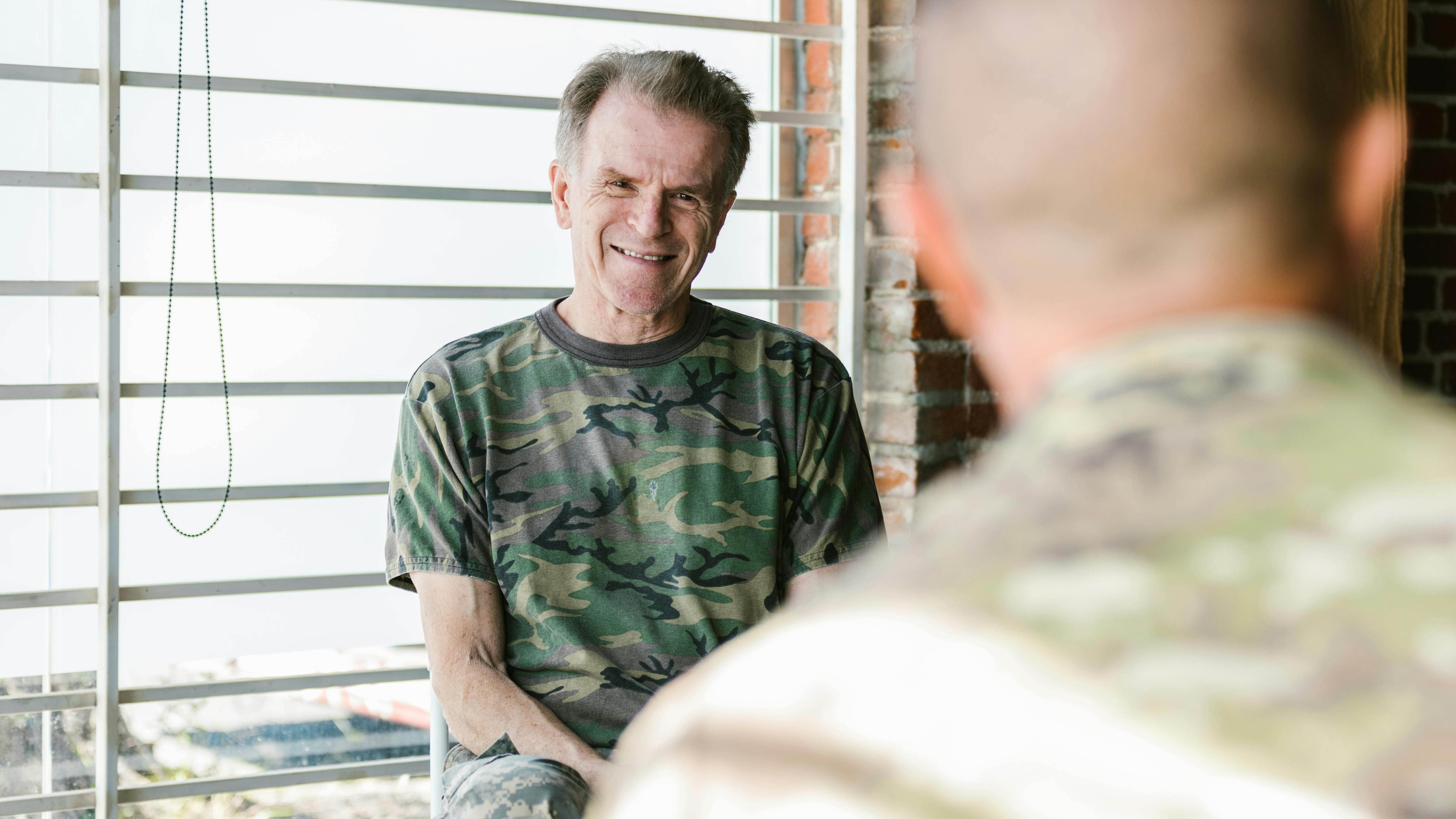
Leader Identity in the Military podcast graphic with smiling officer.


Understanding Leader Identity: Beyond Rank

The journey into self-identifying as a leader starts with a crucial question: "Who are you without your rank?" In a thought-provoking conversation, LTC (P) Laura Weimer and host Joe delve into the essence of leader identity, exploring how it forms and why it's essential to interrogate this identity regularly. This exploration is particularly relevant for active duty service members, military veterans, and their families, who often wrestle with the implications of their roles beyond the uniform.

The Impact of Ego on Leadership Decisions

Weimer emphasizes the importance of separating ego from purpose in leadership. Military ranks often become intertwined with personal identity, causing leaders to chase positions or accolades rather than genuine fulfillment from their roles. This can lead to burnout and dissatisfaction. By being introspective about motivations—whether it is the desire to serve or simply the pursuit of power—leaders can re-align their careers with their core values.

Finding Fit: The Swim Lane Approach

The swim lane approach is a metaphorical strategy that Weimer uses to explain how leaders can find roles better suited to their strengths and preferences without leaving the military. This mindset encourages individuals to look at various opportunities within their existing environment, promoting retention and fulfillment while still honoring their service. An example would be a logistics officer moving toward operational planning roles or mentoring, which may better utilize their skills and desires.

Coaching for Clarity: Exercises to Discover Values

Weimer advocates for coaching and reflection as essential tools for leaders seeking clarity in their identity. Practical exercises—such as journaling or feedback sessions—can help individuals identify their values and reframe their work context. It’s vital for leaders not just to understand their value systems but also to articulate and live by them, empowering others in the process.

Strengthening Organizations Through Intentional Leadership

Leaders who help their subordinates discover their unique identities contribute greatly to the organizational culture. When individuals feel fulfilled in their roles, it directly correlates to team performance and cohesion. Scene from Weimer and Joe’s discussion illustrates how leadership isn't just about authority and power; it's about fostering an environment that prioritizes alignment of personal and organizational values.

Total Transformation Through Reflection

In today’s dynamic military landscape, leaders must adapt and evolve continually. By embracing vulnerability as part of leadership, officers can encourage an open dialogue surrounding identity, purpose, and personal fulfillment. Such transparency fosters trust and stronger relationships, subsequently leading to a more resilient force.

Moving Forward: Practical Tips for Leaders

  • Engage in self-reflection and coaching to discover personal values.

  • Utilize the swim lane approach to realign roles without drastic career changes.

  • Encourage open conversations about identity within teams to build a supportive culture.

  • Redefine personal success beyond rank and status.

Your Leadership Identity Matters

The insights shared by Laura Weimer provide actionable strategies that service members at all levels can implement to enhance personal fulfillment and professional effectiveness. Whether considering career transitions or striving to support subordinates, enhancing leader identity remains crucial in building a cohesive, aligned military organization.

For those invested in leadership, whether in military ranks or the corporate world, embrace the challenge of defining who you are beyond titles. By fostering discussions and sharing experiences, we can guide the next generation of leaders to cultivate an enduring sense of self, strength, and mission.


Battle-Tested Leadership

0 Comments

Write A Comment

*
*
Please complete the captcha to submit your comment.
Related Posts All Posts
05.22.2026

Unlocking the Monk’s Mindset: A Path for Today’s Military Leaders

Update Adopting a Monk’s Mindset: The Path to Resilience In today’s fast-paced world, adopting a monk's mindset is more than just an exercise in mindfulness—it's a strategic approach to effective leadership, whether in the military, corporate environments, or at home. For service members and veterans, cultivating this mindset can enhance resilience, improve focus, and foster leadership skills critical in both combat and civilian life. Understanding the Monk Mindset The monk's mindset encourages individuals to embrace simplicity, discipline, and presence—qualities essential for decision-making under stress. Mindfulness plays a crucial role in this paradigm, allowing leaders to assess situations with clarity. As observed in various military contexts, being able to step back and evaluate challenges calmly can lead to superior tactical decisions. Implementing mindfulness techniques can be particularly beneficial for veterans transitioning to civilian roles, helping them navigate new pressures while retaining their leadership prowess. Mindfulness: A Tool for Growth and Focus Practicing mindfulness can be transformative for personal and professional development. Techniques such as meditation, mindful breathing, and reflection can enhance self-awareness. For military leaders, this means recognizing automatic responses and making conscious choices in high-pressure situations. For instance, a simple practice of mindful breathing can help service members recharge mentally before engaging in critical tasks. By taking just a few minutes to focus on their breath, they can reduce stress levels and cultivate a clear mindset that promotes effective leadership. Valuing Emotional Intelligence in Leadership Incorporating a monk’s mindset into leadership enhances emotional intelligence, a crucial attribute for successful leaders. The ability to connect emotionally with others—be they peers in the military or colleagues in civilian life—can significantly influence team dynamics and performance. Studies have shown that strong emotional intelligence correlates with improved decision-making and conflict resolution capabilities. This emotional connectivity is invaluable in high-stakes environments where military leaders often operate, and it transitions well into corporate scenarios where empathy and understanding can foster collaboration and productivity. Practical Strategies for Implementing Mindfulness To integrate a monk's mindset into daily life, consider a few actionable strategies: Daily Reflection: Set aside time each day to reflect on personal experiences and leadership challenges. This will sharpen your self-awareness and help you identify areas for growth. Mindful Listening: Engage fully in conversations with peers, allowing others to express their viewpoints without interruption. This practice enhances relationships and improves team cohesion. Regular Mindfulness Practices: Establish a routine that includes meditation or yoga. Even small increments of time dedicated to mindfulness can lead to substantial benefits in emotional regulation and resilience. Looking Ahead: The Future of Leadership Military leaders and veterans willing to adopt a monk's mindset can not only impact their individual careers but can also inspire cultural shifts within their organizations. By emphasizing mindfulness and emotional intelligence, they can create environments that encourage cooperation, enhance well-being, and ultimately drive success. The implementation of these strategies doesn't just apply to the military; they resonate across various sectors—business leaders, educators, and parents all benefit from embodying these principles. Conclusion: Begin Your Journey with Courage As you contemplate integrating a monk’s mindset into your leadership style, remember that the journey starts with small, deliberate actions. Every step taken towards enhancing your mindfulness can lead to improved leadership effectiveness and personal satisfaction. If you are looking to cultivate your skills further or support veterans in their transition into civilian roles, consider engaging with AristaValor’s mentoring programs. Together, we can honor the legacy of valor in the military while fostering a community of resilient leaders.

05.09.2026

Revitalizing Military Barracks: The Urgent Need for Leadership and Accountability

Explore the significance of military barracks conditions and the role of leadership accountability in improving service members' quality of life with insights from Rob Evans and the Hots & Cots initiative.

05.05.2026

Leadership Lessons from Saber Junction 25: Military Strategies for Success

Explore leadership lessons from Saber Junction 25, revealing how military strategies influence success in both combat and corporate environments.

Terms of Service

Privacy Policy

Core Modal Title

Sorry, no results found

You Might Find These Articles Interesting

T
Please Check Your Email
We Will Be Following Up Shortly
*
*
*